
Pediatric Fever Evaluation and Management in Siliguri
When your child develops a fever or experiences persistent fever, it can be a deeply stressful experience. During such a situation, you need to seek prompt and reliable medical attention for your child. Backed by 14+ years of clinical experience, Dr. Prince Parakh (MBBS, MD in Pediatrics, and FISPN), registered with the West Bengal Medical Council (Registration No. 77585, Active), specializes in Fever treatment for children in Siliguri. He expertly diagnoses the root cause of the fever and accordingly provides prompt pediatric care that supports recovery.
Fever is not a standalone disease, but rather a symptom that can originate from different causes such as bacterial or viral infections. By combining vast knowledge in pediatric care with advanced diagnostic tools, Dr. Parakh identifies the root cause of fever and then provides targeted treatments that are safe for children.
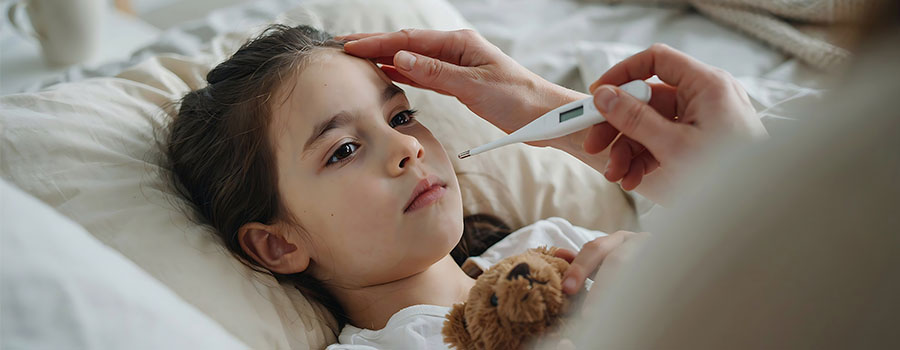
Most fevers in children settle with proper care, but it is not always easy for parents to know when a visit to the doctor is needed. If your child’s fever lasts more than a couple of days, keeps coming back, or comes with symptoms like unusual drowsiness, trouble breathing, a rash, repeated vomiting or refusal to feed, it is best to get your child checked without delay. Fever in babies needs extra attention, so do not wait at home. During the visit, the doctor will ask about your child’s symptoms, examine your child carefully, and advise tests only when they are needed. You will also be told how to care for your child at home, including how to keep your child comfortable and hydrated, and what signs to watch for after you leave the clinic.
What are the Common Causes of Fever in Children?
Fever in children is generally caused by the immune system actively fighting an infection or a disease. The increased body temperature is triggered by bacterial or viral pathogens that a child’s body works hard to eliminate. It is quite normal to feel anxious or worried when there is a sudden spike in your child’s body temperature. Understanding the common causes of elevated body temperature is the first step towards seeking fever treatment for your child in Siliguri.
Here are the common causes of fever in children:
Viral Infections
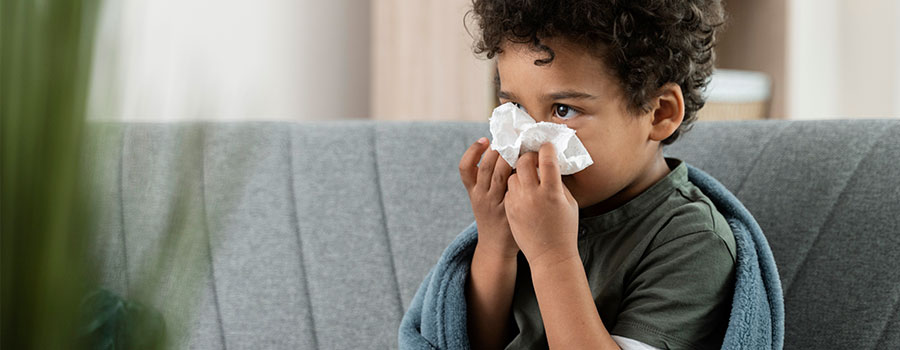
Viral infections are the most common triggers of childhood fever, which include conditions such as the common cold, influenza, chickenpox, and roseola. Viral fevers develop quickly as the child’s immune system builds a defense against the foreign pathogens. Generally, viral infections go away without medications. However, the key is to keep your child hydrated and manage comfort level.
Bacterial Infections
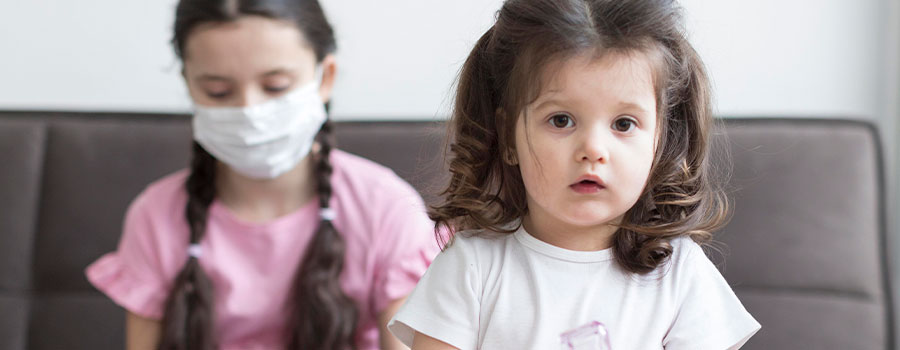
Bacterial infections require targeted medical interventions, which generally include a course of antibiotics prescribed by a qualified pediatrician. Some of the most common forms of bacterial infections in children are painful ear infections, strep throat, urinary tract infections (UTIs), and respiratory issues like pneumonia. Parents need to identify bacterial infections in children early to prevent the risk of infection progression and serious complications.
Vaccines and Immunizations
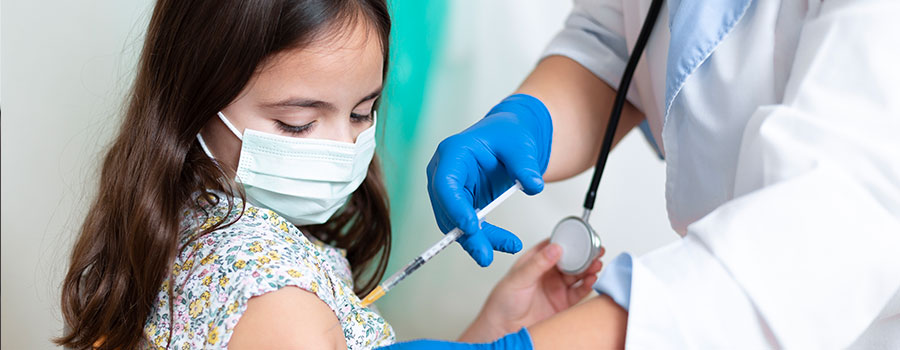
It is common for infants and children to develop a mild fever shortly after receiving routine immunizations. The temporary spike in body temperature is normal, and it indicates that the vaccine is successfully building antibodies inside the body. Fever caused by vaccines is completely harmless and generally goes away within one to two days after the shot.
When Should You Consult a Pediatrician Promptly for Your Child’s Fever?
Although childhood fevers are a normal sign that the body’s immune system is actively fighting against infections, there are red flags that you need to watch out for. For parents, it can be difficult to differentiate between a mild illness and a critical condition causing fever. Hence, it is important to know when to stop remedies and seek pediatric care so that serious medical complications can be avoided. As part of offering fever treatment for children in Siliguri, Dr. Prince Parakh promotes awareness among parents about monitoring their child's behavior, responsiveness, and hydration levels closely, alongside tracking body temperature.
Here are the critical indicators that require immediate pediatric medical attention:
Age and Body Temperature Threshold
A newborn or infant under 3 months of age with a body temperature reaching 100.4°F (38°C) is a major warning sign. In very young babies, the signs of infection may not be prominent, which makes prompt medical attention from a qualified pediatrician necessary to prevent rapid health complications.
Severe Dehydration and Fluid Loss
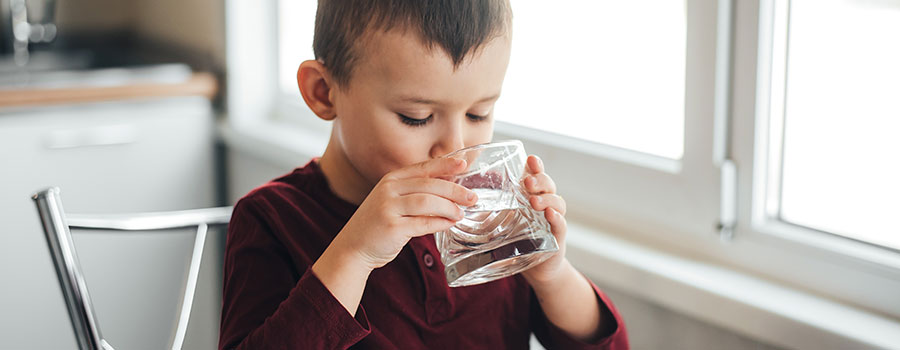
If a persistent fever in your child is accompanied by physical signs of dehydration, immediate pediatric attention is required. Common signs to watch out for include dry or sticky lips, lack of tears while crying, and a significant decrease in urination. All these signs indicate that the child’s body is deprived of essential fluids required for recovery from fever.
Respiratory Distress
Urgent pediatric care is required if your child shows signs of breathing distress, fast breathing, or persistent wheezing. Hence, when a child develops a fever, parents need to keep a close check on whether the chest or stomach pulls inward deeply between the ribs while inhaling. These signs are a critical indicator of issues with the respiratory system that are causing fever.
Unresponsiveness and Extreme Lethargy
If you notice your child becoming unusually drowsy, weak, or difficult to awaken, seek immediate medical attention. To identify these signs during fever, watch out for lack of energy to interact, refusing to smile, crying for hours, or seeming unresponsive to a familiar voice and touch.
Seizures and Rashes
Rush immediately to a pediatrician if a rapid increase in body temperature is accompanied by seizures, fainting, or body convulsions. Additionally, emergency medical care is required if the fever is accompanied by a stiff neck or sudden appearance of rashes that do not fade when pressed firmly.
Why Choose Dr. Prince Parakh for Fever Treatment for Children in Siliguri?
Dr. Prince Parakh is a reputed name in pediatric care who provides accurate diagnoses and treats a wide range of childhood illnesses. At his clinic, he combines his advanced qualifications, over a decade of experience, and state-of-the-art diagnostic technology to ensure that children receive immediate and targeted medical attention. His dedication to help children recover completely from fever is supported by the highest standards of safety, medical ethics, and clinical excellence.
Here are the reasons to choose Dr. Prince Parakh for fever treatment for children in Siliguri:
14+ Years of Clinical Excellence
He has more than 14 years of experience in treating complex pediatric conditions and childhood fevers. His decorated academic background equips him with deep knowledge of viral, bacterial, and seasonal illnesses. Therefore, he accurately identifies the root cause of childhood fevers and simultaneously offers evidence-based clinical treatments.
Compassionate Care
Visiting clinics and hospitals can be frightening for sick children. To address this issue, he prioritizes creating a warm, friendly, and child-centric clinic environment. Additionally, his gentle behavior eases anxiety among children, which makes physical examinations and treatment stress-free.
Accurate Diagnosis
Instead of prescribing generic fever medications, he focuses on identifying the underlying cause of fever. Therefore, he prevents the unnecessary use of antibiotics and ensures a safe treatment plan after conducting comprehensive physical check-ups and targeted diagnostics.
Reliable Guidance
Clear communication holds the key for worried parents when their child develops a fever. At his clinic, Dr. Prince Parakh takes time to thoroughly explain the diagnosis and details of the exact medication dosages. Additionally, he provides a list of critical warning signs to watch out for at home, which provides peace of mind to parents.


Frequently Asked Questions
Testimonials From Parents
Dr. Parakh is undoubtedly the best doctor of this world for my child, Due to the fact that when all the doctors did not say about my child, then Dr. Prince had only hoped that your child will return to you soon, Dr. Prince always takes care of his patients in such a way that his mother or his father cares. Always look forward to helping people.Bishwajeet Saha
He is probably the Best child specialist in Siliguri. He is a Highly experienced doctor backed by a very good behaviour.Saheli Roy
Best pediatrician in Siliguri and a good human being. I must recommend to my friends and relatives!Tapas Mitra